
Protein is not a trend nutrient. It’s a daily requirement for building a healthy lifestyle, not just following a fitness trend.
Still, one nutrition question keeps showing up in US search results: how much protein do you need per day? Some advice is aimed at bodybuilders, some at medical guidelines, and most of it lacks real-world clarity. The truth sits in between, and it depends on your weight, activity level, and health goals.
Let’s answer it clearly, without extremes, confusion, or hype.
Why Your Body Needs Protein Every Day
Protein plays a role in almost everything your body does. It repairs muscle tissue, supports immune health, regulates hormones, and helps maintain steady energy levels.
When your intake is too low, people often feel tired, hungry soon after meals, and weaker during workouts. Over time, low daily intake can lead to muscle loss and slower metabolism.
This is why daily protein intake matters even if you are not trying to build muscle.
How Much Do You Need Per Day?
The standard recommendation for adults is 0.36 grams of protein per pound of body weight per day. This number comes from population-level research meant to prevent deficiency, not optimize health.
For example:
150-pound adult: about 54 grams per day
180-pound adult: about 65 grams per day
According to the National Institutes of Health, this amount meets basic survival needs, but many adults benefit from higher intake for better body composition and strength
A More Practical Protein Range for Most Adults
For better results in real life, many nutrition experts recommend 0.6 to 0.8 grams of dietary protein per pound of body weight.
What this really means is:
Better muscle maintenance
Improved fullness between meals
More stable energy throughout the day
This range works well for most healthy adults in the US.
Protein Nutrition Needs Based on Your Goals
From a nutrition standpoint, this nutrient intake influences metabolism, muscle health, and energy balance throughout the day.
Protein for Muscle Gain and Fitness
If you lift weights, do resistance training, or follow a regular workout routine, your body needs more protein to repair and grow muscle tissue.
Aiming for 0.7 to 0.8 grams of protein per pound of body weight supports strength gains and faster recovery. This aligns well with structured fitness plans like those covered in our fitness and nutrition guidance.
Protein for Weight Loss
Protein plays a key role in fat loss because it keeps you full longer and helps preserve muscle while dieting.
Most people trying to lose weight do best with higher protein intake, usually 0.6 to 0.8 grams per pound of goal body weight. This approach is supported by Harvard Health research on protein and metabolism
If fat loss is your focus, pairing adequate protein with calorie awareness improves long-term results. We explain this strategy further in our nutrition-focused weight loss guides.
Effects on Energy Levels
Protein helps prevent blood sugar crashes by slowing digestion and stabilizing appetite. This leads to more consistent energy during the day resulting a healthy lifestyle.
People who increase protein at breakfast often report fewer mid-day energy dips. This connects directly with habits of carrying a balanced nutrition approach.
Does Age Affect Intake Needs?
Yes, especially after age 40.
As you get older, your body becomes less efficient at using protein to maintain muscle mass. This means adults over 40 often need slightly more protein to preserve strength and mobility.
Many experts recommend 0.6 to 0.7 grams per pound of body weight for older adults to reduce age-related muscle loss.
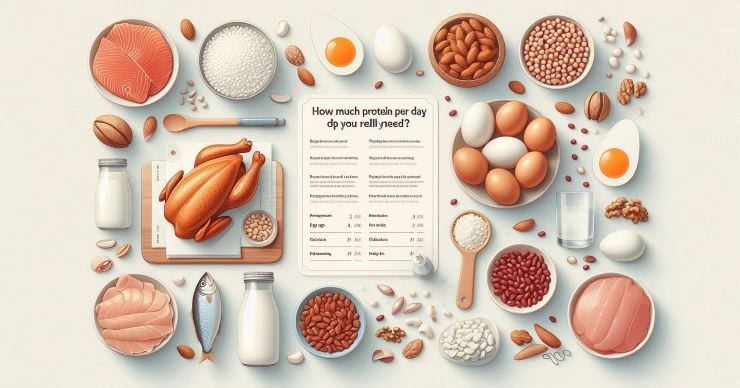
Best Protein Sources for Daily Intake
Meeting your protein needs does not require supplements, though they can help.
High-quality protein sources include:
Chicken breast, turkey, lean beef
Fish like salmon, tuna, and cod
Eggs and egg whites
Greek yogurt and cottage cheese
Beans, lentils, tofu, and tempeh
Whole foods provide additional nutrients that protein powders do not.
Is Too Much Protein Bad for You?
For healthy adults with normal kidney function, higher protein diets are generally safe. Research has not shown harm from protein intake within recommended ranges.
Problems arise only with extreme intake or existing kidney disease. Balance still matters, but protein is not the enemy it was once made out to be.
Conclusion
If you want a clear answer without overthinking it, aim for 0.6 to 0.8 grams of protein per pound of body weight per day, adjust based on activity and goals, and spread intake across meals.
This single habit supports muscle health, weight management, and daily energy levels.
Leave a comment.
FAQs
How much do I need per day to lose weight?
Most adults aiming for weight loss benefit from 0.6 to 0.8 grams of protein per pound of goal body weight. Higher protein helps reduce hunger, preserve muscle, and support fat loss while dieting.
How much protein should a woman eat per day?
Protein needs depend on body weight and activity level, not gender alone. Most women do well with 0.6 to 0.8 grams of protein per pound of body weight, especially if active or trying to lose weight.
How much protein should a man eat per day?
Men typically require more protein only because they often weigh more. Using body weight as a guide, 0.6 to 0.8 grams per pound supports muscle maintenance, strength, and metabolism.
Can I get enough protein without supplements?
Yes. Most people can meet daily protein needs through whole foods like lean meats, eggs, dairy, legumes, and fish. Protein powders are optional, not required.
Is eating protein at night bad?
No. Eating adequate amounts at night does not cause fat gain on its own. In fact, protein before bed may support muscle recovery, especially for active individuals.
Disclaimer: This article is for general nutrition information only and is not a substitute for professional medical advice. Individual protein needs may vary. Consult a registered dietitian or healthcare provider for personalized guidance.