
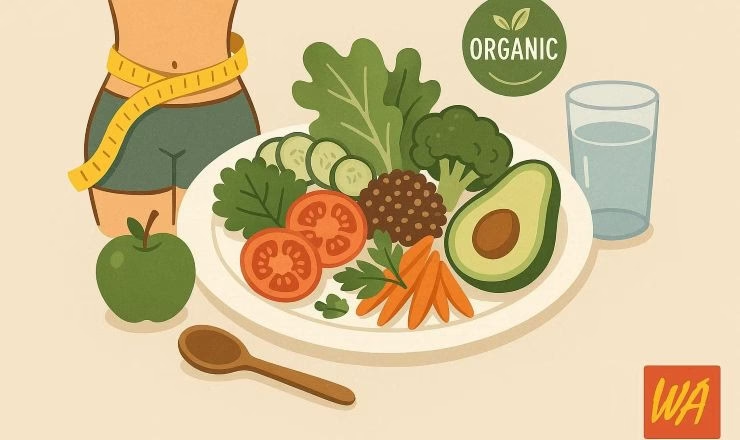
Most people try to lose weight by skipping meals or chasing the next trend. But if you want a clean, realistic plan that improves your health while helping you slim down, an organic diet for weight loss is one of the easiest places to start. You focus on real food, drop unnecessary chemicals, and give your body fuel it knows how to use.
This guide shows what to eat, how to build meals, and why organic choices support better hunger control and long-term fat loss. If you also want a quick workout routine to support calorie burn, check out our 10 minute home workout guide.
Why Organic Eating Supports Weight Loss
Organic eating is less about labels and more about choosing food in its cleanest form. When you follow an organic weight loss diet, you naturally reduce additives, preservatives, and processed oils that can trigger cravings or bloating.
Many people notice:
Better digestion
More stable energy
Reduced cravings
A lighter, cleaner feeling after meals
according to USDA Organic Food Standards ‘ Organic options often push you toward whole foods, which are strongly linked to balanced appetite and healthier weight.’
What to Eat on an Organic Diet for Weight Loss
Organic vegetables
Build every plate with vegetables like spinach, kale, zucchini, bell peppers, or broccoli. They add volume without adding calories.
Organic fruits
1–2 servings of berries, apples, oranges, or grapefruit work well for weight loss because they digest slowly and help curb cravings.
Organic lean protein
Chicken, turkey, wild-caught fish, eggs, beans, and tofu help control appetite and support muscle, which boosts metabolism.
For more targeted strategies, see our complete weight loss tips guide.
Organic whole grains
Quinoa, oats, brown rice, and whole wheat options keep blood sugar steady and support long-lasting fullness.
Organic healthy fats
Olive oil, avocado, nuts, chia seeds, and flaxseed help with satiety and hormone balance.
How to Build a Simple Organic Meal Plan
You don’t need complicated rules. Use this simple structure:
Breakfast
Oatmeal made with organic oats, topped with berries and chia seeds.
Add scrambled organic eggs for extra protein.
Lunch
A large salad with organic greens, tomatoes, chickpeas, cucumbers, and grilled chicken or tofu.
Use olive oil and lemon for dressing.
Dinner
Wild-caught salmon or organic turkey
Steamed vegetables
A serving of quinoa or sweet potato
Snacks
Greek yogurt, nuts, or a piece of fruit.
This setup is high in protein, fiber-rich, satisfying, and easy to follow.
as per Harvard School of Public Health: healthy eating is giving gift to your own body.
Why Organic Helps You Lose Weight Naturally
Cleaner, simpler food
Avoiding heavy preservatives and additives can improve digestion and hunger control.
Nutrient-dense
Organic produce may contain slightly higher antioxidants, which support overall health.
More fiber
Fiber slows digestion, reduces overeating, and supports gut health.
(Internal Link)
You can also check our health habits tips collection to burn extra calories without needing a gym.
Better blood sugar balance
Stable blood sugar helps prevent cravings and overeating.
PAA Questions Answered
Does organic food help you lose weight?
Yes. Organic foods support weight loss by reducing processed ingredients and helping regulate appetite.
What are the best organic foods for weight loss?
Leafy greens, berries, lean proteins, whole grains, and healthy fats are the top weight-loss-friendly options.
Is organic food always lower in calories?
Not always. But organic choices tend to be less processed, which usually means fewer hidden calories.
Can organic snacks help reduce cravings?
Yes, if you choose whole foods like fruit, nuts, or yogurt instead of packaged organic snacks.
How do you start eating organic on a budget?
Buy store-brand organics, choose frozen organic vegetables, and prioritize high-impact items like eggs, greens, and oats.
Disclaimer
This article is for informational purposes only. It is not medical or dietary advice. Consult a qualified healthcare or nutrition professional before making major changes to your eating habits.